Fußballbuch-Update Nr. 16: Von Mario Bast zu Jason von Juterczenka

Es war Herbst als ich mit einem Kumpel im Kino saß. Das Fußballbuch lag bei mir daheim. Wir schauten den Film „Wochenendrebellen“ an und dieser hat mich sehr geflashed! Die Geschichte ist wahr, echt und handelt von einem Autisten, der mit seinem Vater auf die Suche nach seinem Lieblingsverein ist. „Bähm!“ machte es in meinem Hirn. Diesen Jungen hätte ich gerne bei uns im Projektteam. Und ja: Es hat geklappt! Lest nun im Folgenden mein Interview mit ihm und lasst euch gerne auch so positiv beeindrucken wie ich mich begeistern habe lassen. Viel Spaß auf euren gedanklichen Reisen.!

Servus und herzlich Willkommen liebe Fußballfans!

Ich sitze hier mit Jason von Juterczenka in München und er ist Teil unseres Fußballbuchprojektteams. Vielen Dank, dass du mitmachst, Jason. Du darfst bitte gleich mit deiner Geschichte loslegen .

Ich bin Jason und ich bin seit 2012, also jetzt seit 13 Jahren eigentlich, mit meinem Papa unterwegs, in den Stadien in Deutschland und Europa und es geht darum, meinen Lieblingsverein zu finden. Ich denke, viele müssen ihren Lieblingsverein gar nicht wirklich finden, aber als ich zum ersten Mal ein Fußballspiel gesehen habe und mich gefragt habe, was hat es mit diesen Fans auf sich? Wie funktioniert das? Wieso fiebern dort Menschen für eine Sache mit, wo sie doch eigentlich gar nicht mitspielen? Was hat das damit zu tun?

Ich bekam die Möglichkeit, Fußballbuchprojekt-Teammitglied Jason von Juterczenka in München zu interviewen.
Bildrecht: Lisa Schatz.

„Ich möchte auch wissen, wie es ist, Fan von einem Verein zu sein“

Dann haben mein Papa und mein Opa mir erklärt, was Fans eigentlich sind. Dass die meisten Menschen diese Entscheidung gar nicht bewusst treffen, sondern dass sie Fan von dem Verein werden in der Stadt, in der man geboren ist oder Fan des Lieblingsvereins der Eltern. Und gleichzeitig haben sie auch gesagt, das ist total wichtig und das bleibt fürs Leben. „Passt das zusammen?, habe ich mich gefragt. Auf der einen Seite ist es eine wichtige Entscheidung für immer, auf der anderen Seite überlässt man sie dem Zufall. Das erschien mir nicht logisch. Ok, ich möchte das auch. Ich möchte auch wissen, wie es ist, Fan von einem Verein zu sein. Aber diese Entscheidung muss auf Fakten basiert getroffen werden. Deswegen haben wir uns auf die Suche gemacht.

Wie seid ihr an das ganze rangegangen? Hattet ihr da eine Struktur, habt ihr gelost?

Das Losen aus dem Film wurde aus der Realität, unserem Podcast entnommen, weil da losen wir die Themen. In der Realität – tatsächlich – sind wir die Stadien der ersten Ligen so durchgegangen. Irgendwann war es dann so, dass wenn mein Papa irgendwo vom Stadion bei der Arbeit war, haben wir geguckt, was sind die nächsten Spiele? Deshalb wurden es oft die Spiele der vierten, fünften oder der unteren Ligen. Gar nicht nur der ersten drei.

Einmal im Jahr geht’s mindestens ins Ausland, weil die ersten drei Ligen sind dann irgendwann voll in Deutschland und dann muss man halt woanders gucken.

Wenn Herthino zum Umarmen kommt

Du hast vorhin von Kriterien gesprochen. Was waren deine Kriterien, was ist dir wichtig?

Die Kriterien sind – ich würde sagen – sechs. Könnte man so zusammenfassen. Wichtig ist, dass es kein Maskottchen gibt. Diese Regel ist dann später bei Hertha BSC entstanden als Herthino mich umarmen musste und ich wegrennen musste. Dann darf der Verein keinen Spielerkreis machen, indem sich die Spieler anfassen. Wegen des Körperkontakts hauptsächlich. Der Verein muss ökologisch und auch sozial engagiert sein. Ein häufiges Ausschlusskriterium sind zum Beispiel Einweg-Plastikbecher, weil die halt auch überall rumliegen. Das ist ein Kriterium. Das Stadion muss in irgendeiner Form eine interessante Skurrilität haben. Es muss irgendetwas geben, was das Stadion auszeichnet.

Hast du da ein Beispiel?

Eine coole Skurrilität ist in Babelsberg, die Flutlichtmasten, die man so einknicken kann. Das hat mir sehr gut gefallen. Oder die Anzeigetafel bei Union Berlin, wo die Schilder dranhängen. Die durfte ich auch mal bedienen, neulich, tatsächlich. Das waren definitiv Skurrilitäten, die gezählt hätten, so. Und dann gibt’s noch einen Kreis.

Das Ganze muss mit dem Zug erreichbar sein, die Fanszene muss politisch stabil sein. Das sind – würde ich sagen – so die Kriterien.

Was hat dich auf deinen bisherigen Reisen am meisten beeindruckt? Kannst du da ein bisschen was herausgreifen? Hm, was ich am Spannendsten finde… Oder was macht dir am meisten Freude? Auch die Zeit mit deinem Dad zu verbringen?

Durch die ganzen Fankurven, in denen ich halt war, und die ich gesehen habe. Ja, ich würde definitiv sagen, dass das ein Punkt ist. Außerhalb der Wochenenden haben wir gar nicht so viel Zeit zusammen. Ich bin in der Schule oder habe mit einem Projekt im Forschungszentrum zu tun. Mein Papa muss in der Regel arbeiten. Daher waren die Wochenenden die einzigen Zeitpunkte eigentlich aber die dafür sehr intensiv. Über die gesamten zwei Tage, wo dann auch so viel passiert. So viele Ereignisse treten auf, die meinen Papa dann zum Beispiel in eine Situation bringen, in der er sich dann mit beschäftigen muss oder mit mir eine Lösung suchen muss. Dadurch waren das besonders intensive Zeiten. Am Fußball, würde ich sagen, ich mein, das ganze ging ja mehr oder weniger los, weil ich nicht verstanden hatte, was es mit den Fans auf sich hat bei meinem ersten Stadionbesuch. Ich würde auch bis heute nicht sagen, dass ich es nicht zu 100 % nachempfinden kann. Ich hab ja noch keinen Verein gefunden. Aber ich würde definitiv sagen, durch die ganzen Fankurven, in denen ich halt war und die ich gesehen habe, habe ich – ich konnte schon irgendwie besser verstehen, was die Faszination daran ist.

Ich kann dann besser einschätzen, was die Bedeutung dieses Vereins für die Menschen ist. Weil ich auch Menschen gesehen habe – wirklich, man hat es denen so angesehen im Gesicht. Wenn die jetzt verlieren, dann ist der Monat gelaufen. Die Bedeutung, dass sich das ganze Leben praktisch darum dreht . Das ist schon beeindruckend. Auch wenn ich nicht weiß, ob ich das möchte. Aber das ist beeindruckend.

Wenn du deinen Lieblingsverein finden solltest, was passiert dann? Ja. Warum hast du so viele Regeln? Was zeichnet dich aus?

„Regeln sind sehr wichtig“

Regen sind sehr hilfreich zur Bewältigung des Alltags, denn ohne Regeln wird ja alles kompliziert. Regeln vereinfachen sehr viel. Regeln sind praktisch anwendbare Kataloge, wo man nach einem vorgefertigten Muster das ganze abklären kann. Wenn es keine Regeln gibt, dann ist es wie eine Sprache zu lernen, wo es keine Regeln gibt. Wo man jedes Wort einzeln lernen muss. Wie wird das jetzt gebildet? Das wäre furchtbar. Niemand könnte diese Sprache sprechen. Ich glaube so ist es dann auch im Alltag. Wenn es bei der Person keine Regeln gibt. Wenn es in einer Menschengruppe keine Regeln gibt, wie soll man sich dort zurechtfinden? Wie soll man interagieren? Wonach richtet man sich in seinem Handeln? Es ist ja nicht so, dass dann alles ok ist. Es sind dann trotzdem Dinge nicht in Ordnung. Das ist nicht festgelegt. Man muss das alleine wissen. Das erscheint mir sehr unlogisch und Regeln sind deswegen richtig und ja, auch bei einer Suche nach einem Lieblingsverein. Damit das beste Ergebnis rauskommt. Ohne Regeln würde das nicht funktionieren. Und eine der Regeln ist zum Beispiel, dass Projekte nicht enden dürfen. Das ist einfach so. Aus dieser Regel wurde abgeleitet, dass wenn ich meinen Lieblingsverein gefunden hab, dann darf die Reise nicht vorbei sein. Das heißt, dann muss es weitergehen. Das bedeutet, dass zum Beispiel eine 34er-Saison. Dass mir mein Papa versprochen hat, dass wir zu allen Spielen in einer Saison fahren.

Jason hat auf einer seiner Reisen das Weserstadion besucht.
Foto: Jason von Juterczenka

Was natürlich sehr spannend ist, wenn du deinen Lieblingsverein im Ausland findest…

Ja. Mit dem Zug dann auch. Oder ins Trainingslager mit dem Verein zum Beispiel. Da gibt’s diverse andere Projekte, die danach dann folgen können. Mein Papa hat sich in die miese Bredouille ein bisschen dadurch gebracht, dass es mal eine Zeit gab, wo er versucht hat, mich von seinem Lieblingsverein zu überzeugen, von Fortuna Düsseldorf. Wo ich mir gedacht hab, wenn er mir das verspricht, dann ist die Wahrscheinlichkeit höher, dass ich auch bereit bin einen Verein zu finden. Wenn ich Angst davor hab, dass das Projekt dann endet, dann würd ich mich ja nie entscheiden. Aber jetzt hat der Papa das Versprechen gegeben und ich hab mich trotzdem nicht entschieden. Das ist ein bisschen daneben gegangen vermutlich.

Magst du vielleicht so ein bisschen von deinem Hintergrund erzählen? Damit die Leserinnen und Leser verstehen können – du bist Autist. Was es für dich, also aus deiner Perspektive, vielleicht auch so ein bisschen schwierig macht auf diesen Reisen?

Autismus ist letztendlich eine Neurodivergenz. Das ist eine andere Verschaltung des Gehirns, die mit einer anderen Wahrnehmung der Welt einhergeht, und diese Wahrnehmung ist häufig intensiver in Bezug auf Reize. Das bedeutet zum Beispiel, also Stadien sind eine sehr reizintensive Umgebung bezüglich der Lautstärke, bezüglich der Menschenmengen, die einen eventuell auch berühren könnten, die Lautstärke. Von daher ist es eigentlich, naja, kontraintuitives Denken, dass es mir in Stadien besonders gut gehen könnte. Als es losging haben wir gesagt das ist eine furchtbare Idee.

Aber du bist dran gewachsen letztendlich, oder?

Sie haben ja auch recht. Diese reizintensiven Umgebungen sind schwierig. Die werden auch nicht einfacher mit der Zeit. Es ist nicht so, dass man sich daran gewöhnen kann. Das ist es nicht.

Einfacher damit umzugehen, oder?

Es ist eine Abwägung dann, genau. Es ist einfach eine Abwägung, weil ja, es war schwierig. Es war auch beim ersten Mal sehr schwierig, aber es war halt auch sehr cool. Es hat mir gleichzeitig sehr gut gefallen. Was überwiegt jetzt? Der positive oder der negative Aspekt?

Wenn die positiven Aspekte überwiegen und ja, wenn ich diesen Ausflug hatte. Ja, es war schwierig, aber es hat mir gefallen und es hat mir eben mehr gefallen als dass es eine Herausforderung oder eine Belastung war, dann fällt die Nutzungsbilanz ja positiv aus und dann wiederholt man das.

Ja, sehr cool. Lass uns vielleicht so ein bisschen wieder eine Brücke zum Fußballbuch schlagen. Was hat dich dazu bewogen, mitmachen zu wollen? Du hast dich ja ziemlich schnell entschieden.

Grundsätzlich bin ich ein Fan von solchen Projekten oder von solchen Ideen. Fast ne Idee, die hätte ich auch haben können, hab ich mir gedacht. Und mir war recht klar, dass die Geschichte ziemlich gut passt. Du hast mir erzählt, wofür das so gedacht, was die Idee darin ist und das hat da sehr gut reingepasst. Ich fand die Idee irgendwie cool, wo geht das Buch danach hin? Ich weiß nicht, wie das dann bei den Leuten ist, aber als ich das Buch bekommen habe, habe ich mir alles davor durchgelesen. Vielleicht lesen dann auch andere, die das Buch bekommen, meine Geschichte. Von daher wollte ich da auch mitmachen.

Du stehst ja auch für Internationalität, indem du viel reist, wie das Buch auch. Wo willst du denn als nächstes hin? Wenn du dir ein Land aussuchen könntest, was würdest du als nächstes machen wollen? Vielleicht auch ein Ziel, dass ein bisschen weit ist?

Ein Versprechen, das schon sehr sehr alt ist, von meinem Papa – ich glaub das ist das allererste Versprechen, das er mir gegeben hat, ist, dass wir mal Shinkansen fahren, weil ich total zugbegeistert bin. Irgendetwas im ostasiatischen Raum könnte ich mir vorstellen, weil dort auch die Stadien sehr, sehr skurril sind, weil man viele Vereine erleben könnte. In Singapur gibt es zum Beispiel ein Stadion, das liegt praktisch auf dem Wasser. Diese Skurrilität hatte etwas, das dieses Kriterium wieder voll erfüllen würde. Auch so, wenn man dort recherchiert, gibt es sicherlich auch viele kleinere Vereine, die man sich dort auch anschauen könnte. Von daher: Da müssen wir ja eh nochmal hin, das ist ja ein Versprechen. Und auf dem Weg dahin, gibt es sicherlich auch vieles, was man sich anschauen kann. Ansonsten im europäischen Ausland liegt sicherlich die Slowakei, Tatran Čierny Balog, wo zwischen Spielfeld und Tribüne eine Zugstrecke verläuft. Das liegt auf jeden Fall noch an.

Wie schaut’s mit Luton Town aus?

Jason und sein Vater sind hier im Estadio de San Mamés in Bilbao zu sehen. In England waren sie noch nicht auf Grund des Fußballs, doch dies steht natürlich noch auf dem Plan.
Bildrecht: Jason von Juterczenka

England fehlt uns noch komplett als Land. Das steht definitiv auch bald an. Was dann in England wird – ja, da könnte man natürlich kombinieren. Es gibt die Forest Green Rovers, wie mir alle erzählen, weil die sehr ökologisch sind, womit das Kriterium zumindest abgehakt wäre. Es gibt Luton, worüber wir gesprochen haben. Dass man durch ein Wohnhaus muss, um in ein Stadion zu kommen, das ist perfekt. Das erfüllt dieses Skurrilitätskriterium genau. Klar, es gibt in England noch so viele andere Vereine, wo man eigentlich unbedingt mal hin muss. Von daher, ja, auch das ist definitiv fest geplant.

Gibt es ein paar Anekdoten oder besondere Reisen – klar, du erlebst immer wahnsinnig viel, es sind wahnsinnig viele Einflüsse? Du lernst wahrscheinlich auch viele Menschen kennen auf den Reisen, in den Zügen, kommst ein bisschen in Gespräche, aber gibt es irgendwas, das dir mal besonders aufgefallen ist, was dir besonders in Erinnerung geblieben ist oder ist das schwierig, weil das jetzt schon so viele? Wie viele Kilometer habt ihr ungefähr zurückgelegt? Oder wie viele seid ihr ungefähr im Schnitt unterwegs?

Wir hatten 150 Spiele, müssten es ungefähr gewesen sein. Es gab Spiele in Sarajevo, wo das 1.500 oder 2.000 Kilometer waren. Bei anderen waren es vielleicht nur 100 Kilometer. Ich weiß nicht, mit welchem Durchschnitt man da rechnen könnte. Aber das sind alles Statistiken, die wir erstellen wollen, wenn wir mal die Zeit dafür haben. Ich würde sagen, was bis jetzt, was immer ein bisschen ironisch ist – wo mein Papa und ich auch sehr gegensätzliche Ansichten darüber haben, das war ein Versuch beim VfR Aalen. Wenn mein Papa hier sitzen würde, würde er ganz anders darüber sprechen. Er würde mir widersprechen. Für ihn war das der Tiefpunkt. Es war mitten im Winter und ich hatte an einem Spieltag freie Auswahl, wo es hingehen sollte. Ich hab dann entschieden, wir fahren zu VfR Aalen gegen SV Sandhausen. Das hatte uns noch gefehlt. Das war damals zweite Liga. Deswegen sind wir da hingefahren. Es sind sieben Stunden Regionalbahnanreise. Das gefällt mir natürlich auch. Mit Schnee. Normalerweise ist die Überkommerzialisierung des Fußballs ein Ausschlusskriterium, aber beim VfR Aalen wurde das so auf die Spitze getrieben, dass es schon wieder skurril war. Die Eckbälle wurden von der Jimbo Autowäsche präsentiert. Die Autowaschanlage wirbt mit einem Elefanten, der mit seinem Rüssel Autos sauberspritzt.

Was natürlich in der Realität nicht stattfindet…

Bei jedem Eckball wurde ein extrem lautes Elefantengeräusch abgespielt. So richtig alte kratzige Lautsprecher. Es waren echt viele Eckbälle.

Das ist natürlich schwierig mit der Lautstärke.

Ich fand das vergleichsweise unfassbar lustig. Das war echt die skurrilere Marketingaktion. Noch skurriler: Die Apotheke sponsort die Ansage der verletzten Spieler oder, was wir einmal bei Karlsruhe hatten, war: Die Aufstellung der Gästemannschaft wurde von der Trauerhilfe gesponsert. Das ist extremst makaber, aber auch möglichst skurril. Sowas bleibt natürlich in Erinnerung. Der ganze Ausflug war einfach ein Fiebertraum. Ich sehe selber, dass die Überkommerzialisierung problematisch ist. Aber wenn ich nicht den Verein betrachte, sondern nur diesen Tag, dann hat es mir unglaublich gut gefallen, weil es einfach lustig war. Für meinen Papa war es die Hölle. Das bleibt sehr gut in Erinnerung.

Gibt es etwas, dass du zum Abschluss sagen willst – zum Projekt vielleicht?

Ich denke es wird noch eine Weile so weitergehen. Und noch ein bisschen dauern. Ja, ich weiß noch nicht genau, ob ich meinen Verein jemals finden werde, und das wäre sogar ok. Normalerweise wäre ich sehr nervös, wenn ich nach zwölf Jahren, nach Beginn eines Projektes das Ziel immer noch nicht erreicht habe. Aber das ist hier irgendwie anders, weil ich so ein bisschen vielleicht auch Fan davon geworden bin einfach, einen Verein zu suchen.

Der Weg ist das Ziel.

Ja, so könnte man es sagen. Deswegen: Ich wäre nicht traurig, wenn wir gar keinen Verein finden und wenn wir doch einen finden, dann wäre es auch lustig. Und mich würde es nicht wundern, wenn ich in 30, 40 Jahren meinen Papa im Rollstuhl ins Stadion schiebe, in der vierten lettischen Liga. Das wäre auch eine Aussicht, mit der ich sehr gut leben könnte. Von daher wird es noch viele, viele Erlebnisse geben, von denen wir berichten können im Podcast und im Blog, in weiteren Büchern vielleicht. Das ist glaube ich eine unendliche Geschichte.

Das ist ein super schönes Schlusswort. Ich wünsche euch weiterhin gute Reisen und vielen Dank nochmal, dass du Teil unseres internationalen Fußballbuch-Projektteams bist!

Funfact in der Nachspielzeit

Nach unserem Interview gingen wir in Richtung Münchener Hauptbahnhof und sahen den Mannschaftsbus des BVB. Das passte thematisch natürlich super, um ein Bild zu machen. Da wollte Borussia Dortmund wohl einen Beitrag zum internationalen Fußballbuchprojekt leisten…?! 😉

Nicht nur das Fußballbuch reist, sondern auch die Fußballspielerinnen und Fußballspieler gemeinsam mit ihrem Staff. International. Auf dem Bild, das Jason nach unserem Gespräch von mir gemacht hat, seht ihr mich mit dem Buch vor dem Teambus von Borussia Dortmund. Das Bild, das das Cover darstellt, hat Felix Schneider gemalt, und das, das auf der Rückseite zu sehen ist, stammt von Johanna Busch. Beide haben diese Kunstwerke zu ihrer Schulzeit gemalt! 😊
Foto: Jason von Juterczenka

Christian Heidels Botschaft an alle Fußballfans

Liebe Fußballfans!

Euch allen wünsche ich einen guten Rutsch in ein gesundes sowie farbenfrohes und glückliches Jahr 2022! 😊

Bevor sich der Blog im neuen Jahr mit einem Interview mit Christian Heidel zurückmeldet, möchte euch der Vorstand Strategie, Sport und Kommunikation des 1. FSV Mainz 05 etwas mitteilen:

Christian Heidels Botschaft an alle Fußballfans. Video: Lisa Schatz [unbezahlte Werbung wegen Markenerkennung]

In diesem Sinne

sportliche Grüße

Lisa Blue

Football book – Update no 6: From Ryan Smith to Michael Lahoud (English Version)

Dear football fans from all over the world,

As announced before, the football book has travelled from London to Texas. Michael Lahoud, former MLS player and Sierra Leonean international, has immortalized himself in it and answered my questions about the book, but above all about his life story… Read for yourself what wonderful experiences he could make through football…

Enjoy, take care and stay at home!

Lisa Blue


Interview with Michael Lahoud


Lisa: Hello Michael, Thank you very much for your time. It was so nice when I heard that the book went towards Texas and now we are talking with a time difference of seven hours. Football really connects people

Why did you want to take part in this project and what did Ryan tell you so that you wanted to take part in?

Michael: You know, I think what really interested me is – I am a big believer that things happen for a reason and that things are coming to your life at the right time. So, Ryan and I, we have been catching up and when he messaged me about the book, it came at the perfect time because I started reflecting back on my career. I started reflecting back on this season. And I really needed to be reminded of why I play this game. So it was just really the right time to be able to be given a blank canvas, to write something, to be a part of something, and really to give back to the game of football something that has given me so much. I want to give back so this story seems like a perfect opportunity.

What do you like most about the game? Is it about the connection of people from everywhere, is it the team feeling or what do you like?

It’s multi-fascinating, I absolutely love playing. It’s a place where you can dream in football or it’s a place where it doesn’t matter where you come from, your background doesn’t matter. Personally for me, football was the place where my background, my story, my socio-economic status doesn’t matter. In football age, race, nationality: It does not matter. We are all connected by football. And I think that I got to know there what really inspired me is anything that was given to me, anything that was taught to me, it has really started to inspire me to pass that knowledge on. I believe in young people, in young footballers. I used to be a young footballer and someone believed in me and so, whenever I get up there with young players and I see a little bit of myself in them, makes me that much more passionate about playing the game.

How hard was it? You have been a refugee when you came to the United States. Did you came on your own or with your family?

I came to the US as a refugee, I traveled by myself and I was awarded an emergency reason when I was six years old. I had no clue what was going on around me, but there is a tragic civil war going on in Sierra Leone at that time and that visa saved my life and football, really, saved my life. And when I came here, it didn’t know what was going on. I knew that I was going to come to reconnect with my family, my immediate family. But it was the best thing that probably could happen to me that I was too young to know anything. But I am very grateful for that visa, and that’s something I will never forget.

I imagine it must have been so hard because you were six years old, a little child…

Yes, it was difficult. It was hard enough when you go to somewhere new. The language is very difficult. English is spoken around the world but it’s unlike any other language. So I was learning English in school back in Africa. But what really made it difficult for me was, as a child, from Sierra Leone, we just grew up as Sierra Leonians. We never talked about what race you where, what you believe … It was really was we are just like all the same. And when I came to America… It was the first time that I felt different. And it was the first time it was hard done how different I was. So, I was so confused because I was like – God damn –  I have never experienced this before. And the easiest way to tell who you are if no one says it for you is: who you are not. So I just started noticing all the differences. That was very difficult for me.

Did you make experience with racism or how did you feel?

No, I lucked out. The first day I came to school in America, I met my best friend. Believe it or not: It was football that connected us.

That is really the power of football. It really unites the world. When I came to school, I was so afraid. A group of kids where playing football. Really, I wanted to be seen and I did not want to be seen because I hoped that no one sees me because I don’t know, I am the kid that’s different, that’s new. That is different. And of course, whenever you don’t want that you will be seen. The ball came to me, someone kicked the ball at a bounce. And the students said: ‘Hey, throw the ball.’ And I have never thrown a ball before, so I was very nervous. I did the one thing but I did not know how to do. I got the ball and I volleyed it back to them. And they have never seen that before. I volleyed it so hard and I kicked it over the roof of the building. I had the respect of everybody immediately. I was the kiddy who was new and nobody noticed. It didn’t hurt that the first person that came over to me was a most popular kid at school who said: ‘Hey, I have never seen anyone do that! You’re my new best friend.’ And he took me to his family. He was like: ‘Oh, this is my goalie, he can kick both – soccer balls, tennis balls – on the roof’. I could not believe it.

Did you get the chance to live in a family there because you were very young or was it like a refugee home?

My family was here. It was really interesting being in Sierra Leone and my family being here. I didn’t realize that I was so grateful for that. We all have family that is our blood. And we have the people become family to us. Because of that day it was like I was adopted.

He was like your brother…

Yes, really. It was really like I became part of them, it was offered this adopted family. They were so awesome to my biological family and they were so loving for me. My parents worked all the time. My mum, in particular, she’s a nurse, so it was really difficult for us trying to make sense of life here from where we came from. But my best friend, his name is Jack Wolf, I am forever grateful for what they meant to my family and I, over the years, what they made for me over the years.

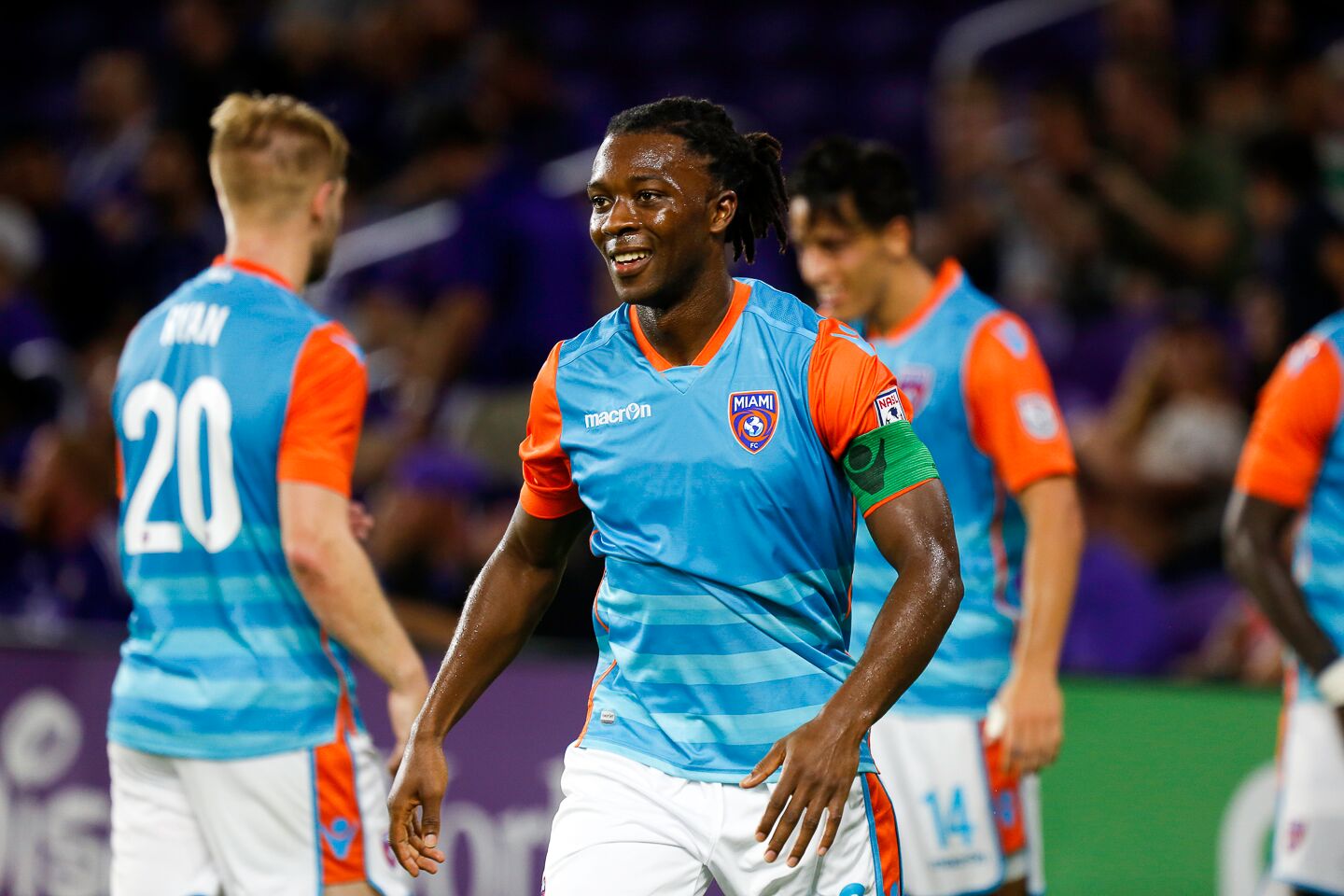
Michael Lahoud played for Miami FC. Photo: Alenny Orovio

In your story you wrote down into the football book, you wrote about the sports psychologist Dr. Cristina Fink. That she changed your life…

She was a part of my club at the time of the MLS (Major League Soccer). She was in Los Angeles. Here in Americas we do trades. It is similar to the basketball system. I am grateful that one trade allowed me to meet Dr. Cristina Fink. From the moment I met her, I knew that I need to work with her. It was never anything she said but she has this presence. I didn’t know her story or her background. She is a former Olympian, a high-jumper, from Mexico City. She is a very, very, very brilliant woman. I really knew that I wanted to get better. I wanted to be the best possible footballer I could be. I knew that I was given a talent. I knew my career could go places but I knew that talent wasn’t enough. I wanted help. There was a point where I needed help to get there and that was a very humbling experience. It was the first time in my career that I experienced not being the star. I experienced not being ‘the football player’ and that’s very humbling, if you experience it, when you get at professional sports. I think that adversity is the best thing that can happen to footballers, especially to young footballers. So, it was the right time for me to meet her and so, I was the only person in the team who was going to see her. Everyone, at that time, saying sports psychologists were not really like popular here, especially in America. But I did not really know who else was doing it but once she told me that this was a big thing throughout the rest of the world. And ‘in America, you guys are behind.’ And this aspect with sports, especially with football… That really helped me seeing that even the greatest of football stars, they needed help longer way to get there where they are. You can’t do it on your own. And so, it was just a perfect fit.

In what way did she help you at most?

Part of it was mental coaching but it never felt like coaching of any sorts. It just felt like someone who believed in me, who saw more in me that I could see. More than my talent. I think, every coach that I ever played for, saw, but could never put into words. She was the first person who could.

How old have you been when you met her the first time?

I was 26 years old. I was really haunted by this feeling of doing well is not enough. I have to kill it, I have to be the best of the best ever, I have to leave, everyone has to leave watching me with standing ovation. That’s not realistic. There is always someone who is better than you, who is better than you at something. Cristina didn’t try to take that away from me. She just gave me another perspective. She said: ‘Don’t lose that, and use another way of looking at it, use another way of motivating yourself. It’s not out there. It was always inside of you’. The most amazing things she said to me apart from playing for the love of the game was: ‘A good player doesn’t have to show that he is a good player. He just is one’. That stripped away that feeling of: ‘I need to prove, I need to prove, every day I need to prove,’ and really giving your validation to other people. Other people decide how you are doing. She said: ‘No. You know, a good footballer knows he is a good footballer. He hasn’t to tell the world, he has to know.’ In football, you have to fulfill your job.

It was those type of conversations that were so enlightening. In football, as much as to have talent, I would always think my way through. It came so naturally to me that I would – you know, in my head, I prepared the match as a young boy. At university, neither as a pro, I would get my mind ready and so to be on the work with someone who helped say: ‘Hey, here are some things that you are doing that will help you.’ And, ‘here are some ways that you can actually use to develop your mind to the next level.’ It’s really an incredible experience.

Did you have an idol like Zizou or did you just try to believe in yourself and try what you could?

Yeah, absolutely. Zinedine Zidane was never my idol, I thought he was an amazing footballer. It wasn’t just the class of what he played. He almost played of an elegance that he was so good. And he knew it. And you knew it. But it was that he knew it. And he wanted you to know it. My idol was David Beckham. He was someone who showed me that you can be more than football. For him, it was the commercial aspect of things. But he was the modern-day footballer who did really take that to another level: That you can be more than football. And this means something different for everyone else. For him, it’s the fame. He is also a family man. You can actually be a footballer but you can still be more than football.

Additionally, I would like to ask you about your social engagement. What projects do you do for social purposes?

It is something that has become a passion along with football. In 2010, I met a woman who asked me a question which changed my life. She asked me: ‘How would you like to change the world?’ And I was just started on my career and I was never expecting anyone who was asking me that if it didn’t have to do with football. I answered: ‘Oh, I change the world with football, being an amazing footballer’. But it really invited me into, you know, that the world is bigger than just me. And there is a social currency that runs deeper than just what I see. It’s bigger than just me. It captured my heart in a way that I knew. That I would change, and I would never be the same. That question she asked me, invited me in a process of self-discovery. It has expended my mind. I really wanted to use football, rather than just that means it is from my own game. To use football as a platform to benefit others. When you are a footballer and you play every weekend – yes, you play for your own passions and your own desires – but you are only a professional because the fans pay to watch you play. Without the fans you’re just – you’re an amateur. What it means to be a part of the team, play for that badge: You play for a tradition that is bigger than you. The players that make the greatest impact in the game, they embody that, they take that on, this means more to them. That message of this means more. My life, my story, my career…It means more. And I really want to use that to impact my home country, my native country of Sierra Leone. Her question invited me of finding out more. Not just about who I am, but where I come from. It helped me to recover a part of me because of Civil War and moving to America. So I like to use my platform as a footballer to make sure that this war in Sierra Leone never happens again. I want to help the children to make sure that this never happens again.

She was helping my country to build schools in my home country. She is a former Peace Corp member. I could not believe the timing. I never had a person whose timing was that impactable to enter my life and enter my eyes.

What did you do?

I started up on a journey. I really wanted to build a school in my hometown in Sierra Leone. In five years, we did this along with my Sierra Leone national team-teammates; we partnered to build a school. That’s something I will forever be proud of. Along the way to that process, awful things were happening in that country; Cholera broke out in 2014; a friend of mine from Heidelberg and I, we teamed out to raise money for ‘Doctors Without Borders,’ and we created this campaign called ‘Kick Ebola in the butt’. People really liked it: They supported the cause and they supported the school. It is amazing what playing for something and using a sport that brings people that would have otherwise never been connected together – when you use that for a cause that is bigger than yourself, for a common cause, it’s amazing, the power of football. I think that encapsulated the power of football. Now, we are looking to take that school to the next level by really incorporating playing football. For these kids, we built a football pitch at a school. It is incredible power for them, also for the people in the neighborhood. It is a moment that I will never forget seeing the kids you are impacting and the gratitude.

Thank you very much for these stories! Now, I would like to come back to the topic of the football book. Why did you decide to take part in our project?

I believe in stories. The most powerful thing about every one of us is our stories and the stories can’t say being written. Being able to go back to Sierra Leone and witness the story that was being written there, it made me so grateful for the people who supported me and encouraged me through the process in building that school. What I played for, or what might have been if I hadn’t, or stopped because there are people who are counting on me that I didn’t know, that I’ve never seen before half-way across the world; who are counting on me to keep their dream alive and to see those people saying ‘Thank you! Because of your dream, we have a chance in life.’ When I think about seeing those kids, that’s what really touches me and I always remember.

We do live in a world of excellence and luxury. If I could give just one wish to other Americans, it would be the ability to travel the world. In Europe, you guys travel so much. Here in America, because the country is so big, a lot of people do not travel so much. Everybody should try to get other perspectives. We need each other, as humans, not just our neighbors.

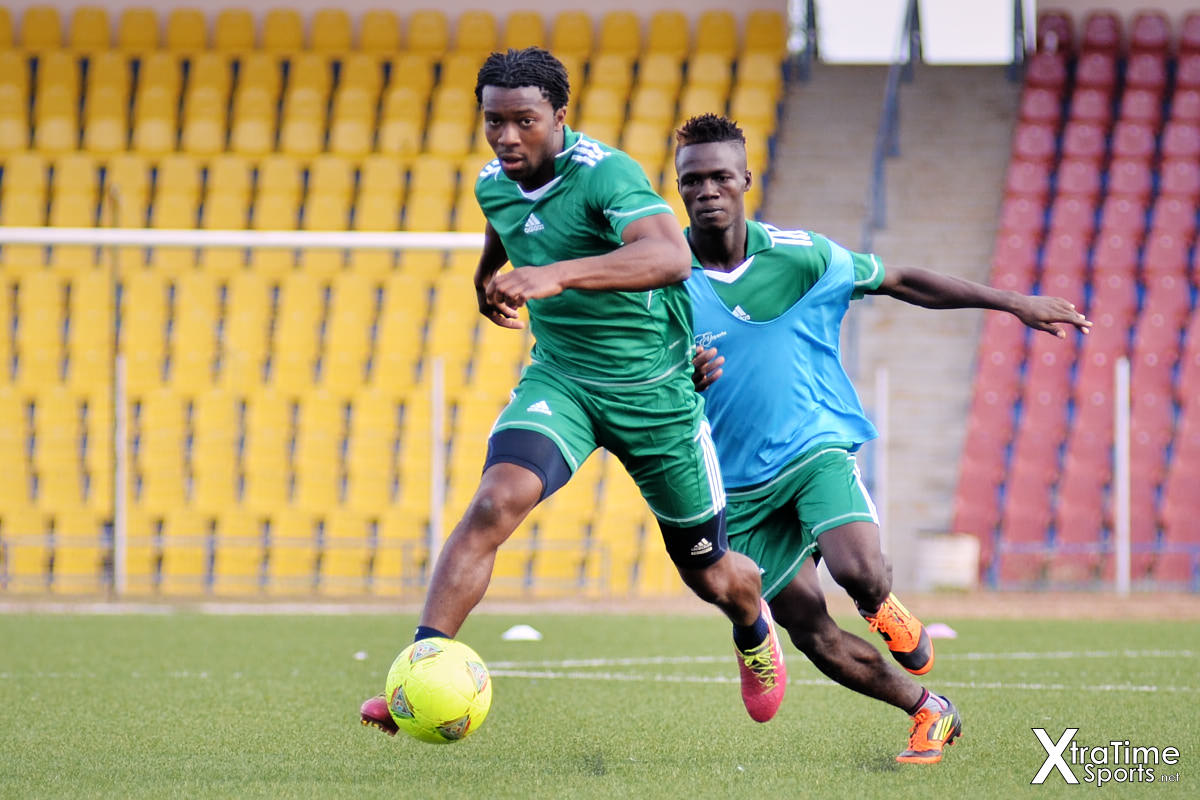
Sierra Leone training camp ahead of Swaziland v Sierra Leone on 18 May 2014. Lobamba, Swaziland.
Michael Lahoud at the international match against Swaziland on May 18, 2014. Photo © www.XtraTimeSports.net / Darren McKinstry

When would the book be successful in your eyes?

It feels such an honor to be a part of this book because we all have stories as I said, and even as footballers, people think that everything is just ‘perfect’. They only see you from outside and there is much more to footballers, and human beings, as well. We have struggles, we have moments that change our lives. To be able to invite other people into our stories, it’s really an intimate experience of this book and I can really see it taking it off. I am really excited to go back and read stories. Go back and read my own story with a different perspective, in a few years. I think it’s a special project and it reminds us to be human. When I say that, for me, humanity, there is a sense of stories. The power of stories. That is something that we never lose. That stories make us human.

Thanks a lot for all the great impressions, Mike.

You’re welcome.